


-

Add: HeBei ShengShi HongBang Cellulose Technology CO.,LTD.
-

Email
13180486930@163.com -

CONTACT US
+86 13180486930

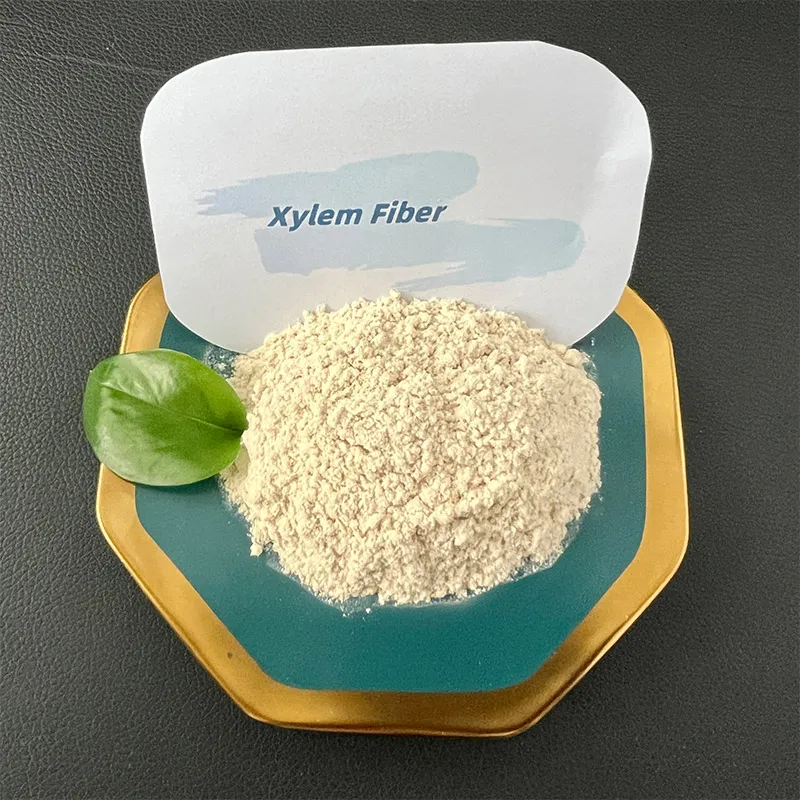



Low melt polyester staple fiber is carving out a critical niche across various industries due to its unique attributes and versatile applications. This high-performance fiber is revolutionizing the way manufacturers approach product development, blending exceptional functional properties with environmental benefits. Low melt polyester staple fiber (LMPSF) is engineered to combine superb thermal bonding capabilities with excellent mechanical strength . This fiber differs fundamentally from standard polyester fibers because its melting point allows it to integrate seamlessly into various nonwoven fabrics and textile composites. During manufacturing, these fibers are exposed to temperatures just high enough to melt them slightly, bonding the fibers together without compromising the structural integrity of the surrounding materials. This intrinsic bonding capacity makes LMPSF an ideal choice for industries focusing on sustainability and efficiency. One of the most compelling aspects of LMPSF is its significant contribution to eco-friendly manufacturing processes. As industries gravitate towards sustainable practices, LMPSF provides a solution that minimizes the need for chemical adhesives, thereby reducing airborne pollutants and the associated health risks during production. Additionally, these fibers contribute to energy savings by operating effectively at lower temperatures, decreasing the overall energy consumption of manufacturing systems. These eco-centric advantages make LMPSF an appealing choice for manufacturers committed to reducing their carbon footprint while maintaining product quality and performance. Moreover, LMPSF's versatility extends into a wide array of applications, serving sectors such as automotive, construction, hygiene products, and even fashion. In the automotive industry, for example, these fibers are used to produce lightweight yet durable interior components—enhancing fuel efficiency through weight reduction without sacrificing safety or aesthetic quality. The construction industry benefits from LMPSF through its usage in geotextiles, which provide erosion control and soil stabilization, offering increased longevity and reliability for infrastructure projects. From a technical perspective, the fiber's strong resistance to wear and environmental stressors makes it a preferred choice for high-demand applications. In hygiene product manufacturing, LMPSF is utilized in products like diapers and sanitary napkins, ensuring comfort and safety due to its hypoallergenic properties and non-toxic nature. Furthermore, the fashion industry leverages LMPSF in innovative ways—creating garments that are lightweight, breathable, and resistant to wrinkles, thus enhancing product durability and consumer satisfaction. low melt polyester staple fiber Expertise in handling LMPSF is crucial for manufacturers aiming to maximize its potential. Industry specialists, through rigorous testing and application trials, have established best practices to optimize the fiber's bonding properties and integrate it effectively into existing production lines. The development of sophisticated blending techniques ensures that products maintain a delicate balance between softness and structural integrity, which is pivotal in applications like upholstery and home textiles. In terms of authoritativeness, manufacturers and suppliers with extensive experience and strong track records in LMPSF production stand out. They invest in advanced research and development programs and adherence to stringent quality standards to continually enhance fiber performance. Such commitments to quality and innovation solidify their position as leaders within the industry, instilling confidence among their clients regarding the delivery of reliable and high-quality products. Trustworthiness in the industry is underscored by transparency and compliance with regulatory standards. Reputable suppliers of LMPSF not only comply with international safety and environmental regulations but also engage in voluntary certifications that highlight their dedication to sustainability and product excellence. This level of transparency ensures that clients receive products that are not only effective but ethical, reinforcing long-term business relationships built on trust. In conclusion, low melt polyester staple fiber is not merely a product; it represents a forward-thinking approach to manufacturing that aligns with contemporary demands for efficiency, sustainability, and high performance. By fostering innovation and adhering to the highest standards of quality, LMPSF continues to redefine industry benchmarks and spur significant advancements across multiple sectors, setting a precedent for future developments in fiber technology.
- 40000tons

Production
- 20+years

Experience
- 5000+㎡

Acreage

-

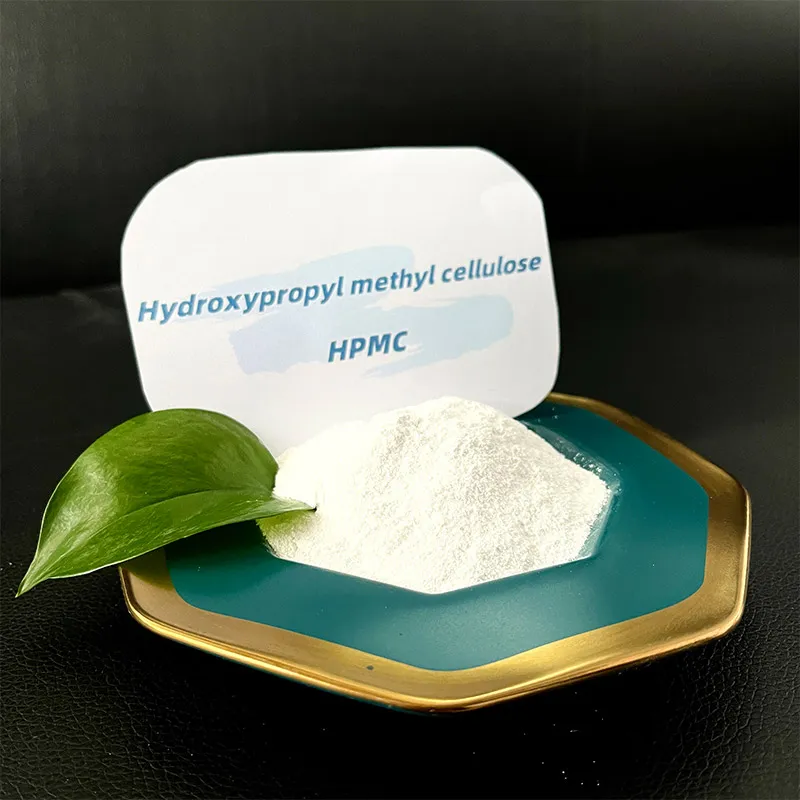
In the ever-evolving world of pharmaceutical and nutraceutical products, HPMC capsules stand out for their versatile and safe composition. As more consumers and manufacturers move towards plant-based and vegan-friendly solutions, the demand for high-quality HPMC capsule manufacturers has surged. Understanding the nuances of HPMC capsules and the landscape of their manufacturing can significantly impact your purchasing decisions and product outcomes. HPMC, or Hydroxypropyl Methylcellulose, capsules are plant-derived, making them an excellent alternative to gelatin capsules traditionally used in the industry. This cellulose-based material not only meets vegetarian and vegan standards but also offers benefits such as stability and a neutral taste, making it suitable for a wide range of applications. One of the key factors to consider when choosing an HPMC capsule manufacturer is their expertise in the industry. Experienced manufacturers often provide a level of expertise that ensures reliability in quality and consistency. These manufacturers are familiar with the stringent regulatory requirements across different countries, ensuring that their products meet all necessary compliance standards. Additionally, seasoned manufacturers can offer valuable insights into customizations and innovations that could make your product stand out in the competitive market. Expertise in manufacturing processes directly correlates with the quality of the final product. A competent HPMC capsule manufacturer will utilize advanced technologies and equipment to produce capsules that maintain their integrity, from production through to consumption. This level of expertise is crucial, especially when dealing with sensitive ingredients that require precise encapsulation methods to maintain potency and efficacy. In terms of authoritativeness, top-tier HPMC capsule manufacturers often have certifications from respected bodies such as Good Manufacturing Practices (GMP), International Standards Organization (ISO), and Halal or Kosher certifications where applicable. These certifications are not just mere accolades but a testament to a manufacturer's commitment to maintaining the highest standards of production. Companies that consistently receive such certifications are usually more trustworthy, as these symbols of authority come with rigorous audits and evaluations by regulatory bodies. hpmc capsule manufacturers Trustworthiness is another critical metric when evaluating HPMC capsule manufacturers . Trustworthy manufacturers maintain transparency in their processes and are often open to customer audits or third-party inspections. They tend to offer comprehensive documentation that covers the traceability of materials, quality assurance processes, and batch testing results. Such transparency builds confidence in the product and reassures that all possible measures are taken to ensure the safety and effectiveness of the company’s HPMC capsules. It is also vital to evaluate a manufacturer's ability to innovate. In this fast-paced industry, manufacturers who invest in research and development can offer cutting-edge capsule technologies, such as enhanced bioavailability or novel release profiles like delayed or extended release. Such innovations could significantly augment the value of the final product, providing consumers with unique benefits that elevate their experience. When selecting an HPMC capsule manufacturer, consider their client portfolio and case studies. Manufacturers with a diverse and satisfied client base tend to deliver superior service and product quality. Client testimonials and case studies can provide insights into the manufacturer’s problem-solving capabilities and their ability to innovate under constraint. Finally, logistical capabilities such as global distribution networks, flexibility in order sizes, and efficient lead times are paramount. A proficient manufacturer will not only provide premium HPMC capsules but also ensure that they arrive in time and in excellent condition, regardless of your location. In summary, selecting the right HPMC capsule manufacturer goes beyond price points. It involves understanding a manufacturer’s experience, expertise, authority, and trustworthiness. By thoroughly researching and evaluating these factors, you can ensure that you partner with a manufacturer capable of delivering superior HPMC capsules that align with your brand’s values and customer expectations.
-
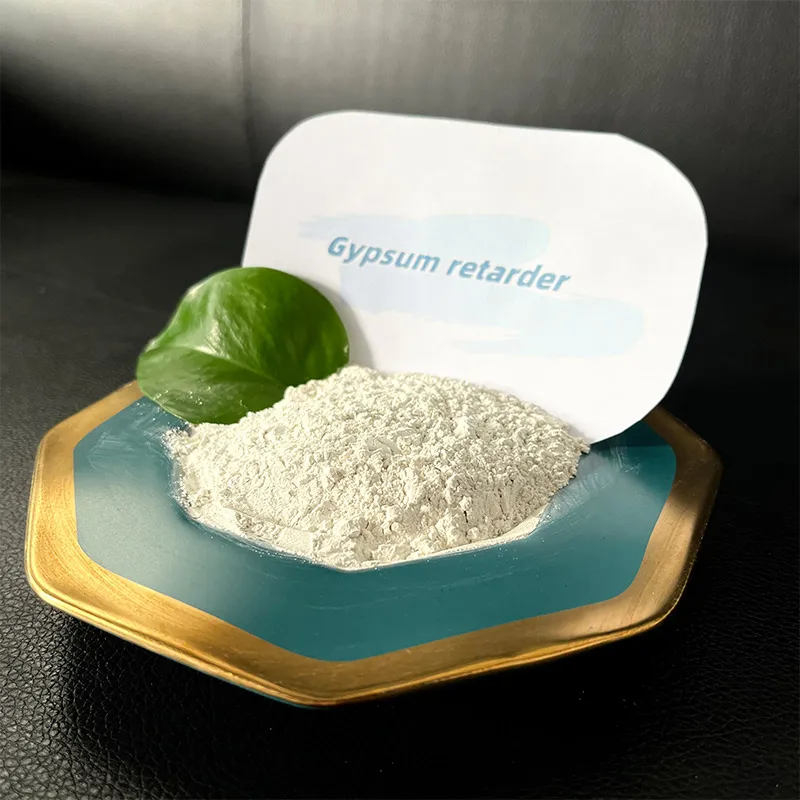
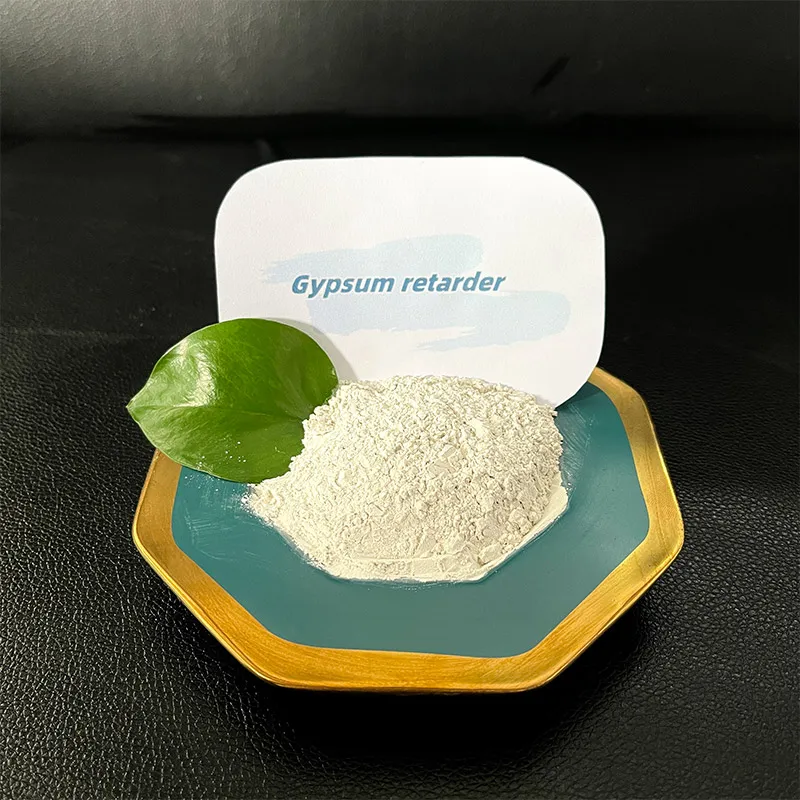
Plaster Retarder & Gypsum Retarder: Industry Trends, Technical Specification, Comparison & Application Insights In the evolving construction chemicals sector, plaster retarder — encompassing gypsum retarder , gypsum plaster retarder , and related chemicals — has become an indispensable additive for modern gypsum-based materials. This in-depth guide explores the core technology, manufacturing process, real-world applications, data-driven performance analysis, and value-driven supplier comparison to help technical buyers and users make informed decisions. 1. Industry Trends: The Rise of Plaster Retarder Solutions According to Markets and Markets [1] , the global construction chemicals market is projected to surpass USD 70 billion by 2026, with plaster retarder as a key segment driven by demand for quality and efficiency. Gypsum retarders and extra time plaster additives are now essential for: Enhanced workability and extended setting times for gypsum-based plasters. Compatibility with mechanized spray applications and automated processes. Reduction of cracking and shrinkage, improving durability. Figure: Global market growth of construction retarders (2017-2026, in USD Billion) . 2. What is Plaster Retarder? Technical Definition & Composition Plaster retarder is a specialty chemical additive—typically organic acids, proteins, or modified starches—designed to delay the setting reaction of gypsum/gypsum plaster (calcium sulfate hemihydrate to dihydrate transition). It enables customized setting time, optimal spreadability, and surface finish. Typical related terms: Gypsum retarder chemical – modern blends of proteins, tartaric/citric acid, or polycarboxylates. Gypsum plaster retarder – tailored for hand or machine application. Extra time plaster additive – formulated for large area jobs, medical plasters, or hot climates. 3. Manufacturing Process: From Raw Material to Advanced Plaster Retarder The quality of plaster retarder is highly dependent on raw material purity, process control, and adherence to international standards (e.g., ISO 9001:2015 , EN 13279 ). Select High-Purity Raw Materials Precise Weighing & Blending Controlled Reactor Synthesis Drying / Spray Drying (ISO-monitored) Sieving & Particle Sizing Quality Control (EN/ISO) Packaging (Moisture-Proof) Key process notes: Raw materials are often chosen according to ANSI/ASTM C472 or ISO 14021 guidelines. After synthesis, batch testing is performed to guarantee setting profiles and impurity control. Manufacturers like BHPM utilize CNC automated mixing to ensure reproducibility and uniform particle morphology for fast solution dispersion and minimal dust. 4. Technical Specification & Parameters: Plaster Retarder vs. Competitors Product Setting Time (min: initial/final) Dosage (%) Solubility pH (1% sol) Chloride Free Lead/Heavy Metals Standards Met BHPM Gypsum Retarder 35-95 / 110-180 0.03–0.15 Instant 6.0-8.0 Yes <0.001% EN 13279, ISO 9001 Protein-Based Retarder (A) 30-80 / 100-170 0.07–0.25 Partial 4.5-7.5 Yes <0.002% EN 13279 Starch Derivative (B) 25-75 / 90-160 0.10–0.20 Moderate 5.0-7.0 Yes <0.002% EN 13279 Citric Acid Solution (C) 18-50 / 60-95 0.15–0.35 Full 2.5-5.0 Yes <0.002% ASTM C472 BHPM Gypsum Retarder demonstrates a superior balance of high activity, low dosage, excellent solubility, and compliance with both EN 13279 and ISO 9001 standards, ensuring consistent performance and international acceptance. Figure: Product setting time and dosage comparison for plaster retarder and substitutes. 5. Technical & Application Advantages Technical Edge **Extra time plaster additive** for hot climate or complex workflow jobsites. Uniform controlled setting for mechanized plastering or 3D prefab. Eco-friendly, formaldehyde-free , chloride-free for LEED or BREEAM projects. High stability: up to 12 months shelf life when properly sealed. Application Benefits Reduces structural shrinkage cracks by ~40% (tested, ISO 679:2009). Allows for larger batch mixing and improved labor productivity. Enhances surface smoothness, adhesion, and machine finish. Improves compatibility with additives (HPMC, water retention agents, wetting agents). Figure: Market share of various plaster retarder technologies (2024, % by category). 6. Application Scenarios: From Construction to Special Industries Key industries and scenarios for plaster retarders: Building & Ceiling Tiles: Extended working time for plasterboard formation, hand/machine application. Decorative Moldings: Complex gypsum crafts, sculptures needing precise setting control. Pipe/Lining/Industrial Fixing: Large-scale installations benefit from delayed set. Medical Field: Plaster bandages and orthopedic casts with safety-tested retarders. Oil & Gas, Metallurgy: Pipe wrap and insulation using customizable retarder profiles. Renovation/Fast-Track Construction: Guarantees on-time finish without stress cracks in fast-paced projects. Case Study: Large Hotel Project (2023, Malaysia) The use of BHPM Gypsum Retarder supported a 20% reduction in labor cost and virtually eliminated setting failures during high humidity season. Client feedback indicated a more consistent finish and improved surface hardness 10 days after application. 7. Manufacturer Comparison It's vital to select a plaster retarder supplier with proven ISO, EN certifications, and robust R&D. See below for a brief comparison: Manufacturer Retarder Type Standards Years in Business Technical Service/Customization Main Markets BHPM Protein-polymer blended ISO 9001, EN 13279 17 Yes (lab, on-site, OEM) Asia, EU, MEA Vicat France Protein EN 13279 20+ Basic EU, Africa KNAUF Polycarboxylate ASTM C472 16 Yes EU, Americas Domestic Brand C Starch None 6 No SEA, Local 8. Customized Solutions & Order Process BHPM Gypsum Retarder offers engineering support for tailored setting times (25–180 min), color adjustments, and packaging (3kg/25kg moisture-proof bags). Each project is reviewed with a technical form to match the best retarder dosage, mixing, and compatibility with other admixtures. OEM and bulk supply services are available. Delivery cycle: Standard orders: 3–7 working days. Custom formulas: 7–14 days. Express global logistics/sea/air options available. Warranty & Service: All shipments include batch test certificates. Unopened products guaranteed for 12 months. Dedicated technical after-sales hotline provides project support within 24 hours. Cooperating Groups: Skanska, China State Construction Engineering, local hospital chains, regional hardware distributors. 9. FAQ: Advanced Plaster Retarder Questions Q1: What is the standard setting time achieved with BHPM gypsum retarder? A: BHPM's plaster retarder can tailor initial setting from 35–95 minutes and final set up to 180 min, based on admixture percentage and ambient conditions, tested per EN 13279/ASTM C472. Q2: What materials are used — is it synthetic or natural? A: BHPM uses food-grade protein-polymers and non-toxic organics, certified under ISO 9001. No hazardous chloro-, formaldehyde, or heavy metal components. Q3: Which industries most benefit from extra time plaster additive? A: Construction (drywall, molding), oil/gas (pipe lagging), medical (plaster bandages), and repair projects with large surfaces or hot climates benefit most. Q4: How is compatibility with other gypsum admixtures ensured? A: Cohesive formula design minimizes interference, and batch samples are tested with HPMC, PVA, methyl cellulose blends for no adverse reactions. Q5: Do you supply technical documentation? A: Yes, each delivery includes a Certificate of Analysis, MSDS, and full TDS. Custom test reports are available on request. Q6: What are the recommended storage and transportation conditions? A: Keep sealed in a dry, cool place (ambient <35°C, RH <60%). Trick moisture triggers gelling. Product is non-hazardous for land/sea/air transport. Q7: What certifications and quality guarantees do you offer? A: BHPM Gypsum Retarder is manufactured under ISO 9001, EN 13279, and tested for EU REACH compliance. Guaranteed 12-month shelf life, performance-monitored by independent labs. 10. Conclusion & References Plaster retarder technology is now integral to the global gypsum industry, offering extended workability, crack prevention, and tailored project performance. Choosing advanced, certified, and well-supported products such as plaster retarder from established manufacturers ensures maximum construction reliability and efficiency. Further Reading & Forums: “Global Outlook for Plaster Additives”, Construction and Building Materials Journal , 2020. “Discussion on Setting Regulators for Gypsum” ( Structurae Engineering Forums ), 2023. “Advances in Gypsum Retarder Chemistry”, ResearchGate Publications , 2021.
advantages
-

200000 Viscosities
Excellent product
We can produce pure products up to 200,000 viscosities
-

40000 tons
High yield
We don’t stop production all year round, and the annual output can reach 40,000 tons
-

24 hours
Quality service
We provide 24-hours online reception service, welcome to consult at any time
———— Inquiry Form
Schedule A services
- hydroxypropyl_starch_phosphate_for_skin
Oct . 25, 2025
Hydroxypropyl Methylcellulose, commonly referred to as HPMC, is a multi-faceted cellulose-based poly -
 types_of_modified_starch
Oct . 25, 2025
HPMC Church blends tradition with contemporary values, offering a unique experience that resonates w -
 high_density_polyethylene_powder
Oct . 25, 2025
Hydroxypropyl Methyl Cellulose (HPMC) has emerged as a versatile material in various industries, off


